Schluter Ditra-Heat: Warm Tile Floors for Real Comfort
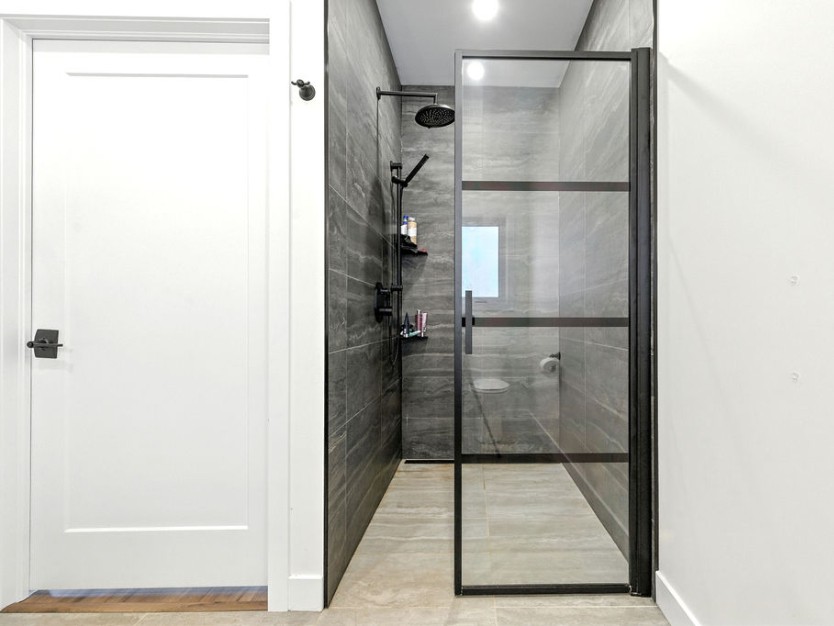
Tile is one of the best flooring choices for bathrooms, laundry rooms and mudrooms. It is durable, easy to clean, and handles water better than most floors. The one complaint homeowners often have is simple: tile feels cold, during a Renfrew County winter.
Schluter Ditra-Heat solves that problem by combining a tile underlayment with electric floor warming cable. It gives you a comfortable tile floor and helps protect the tile installation below.
What Is Schluter Ditra-Heat?
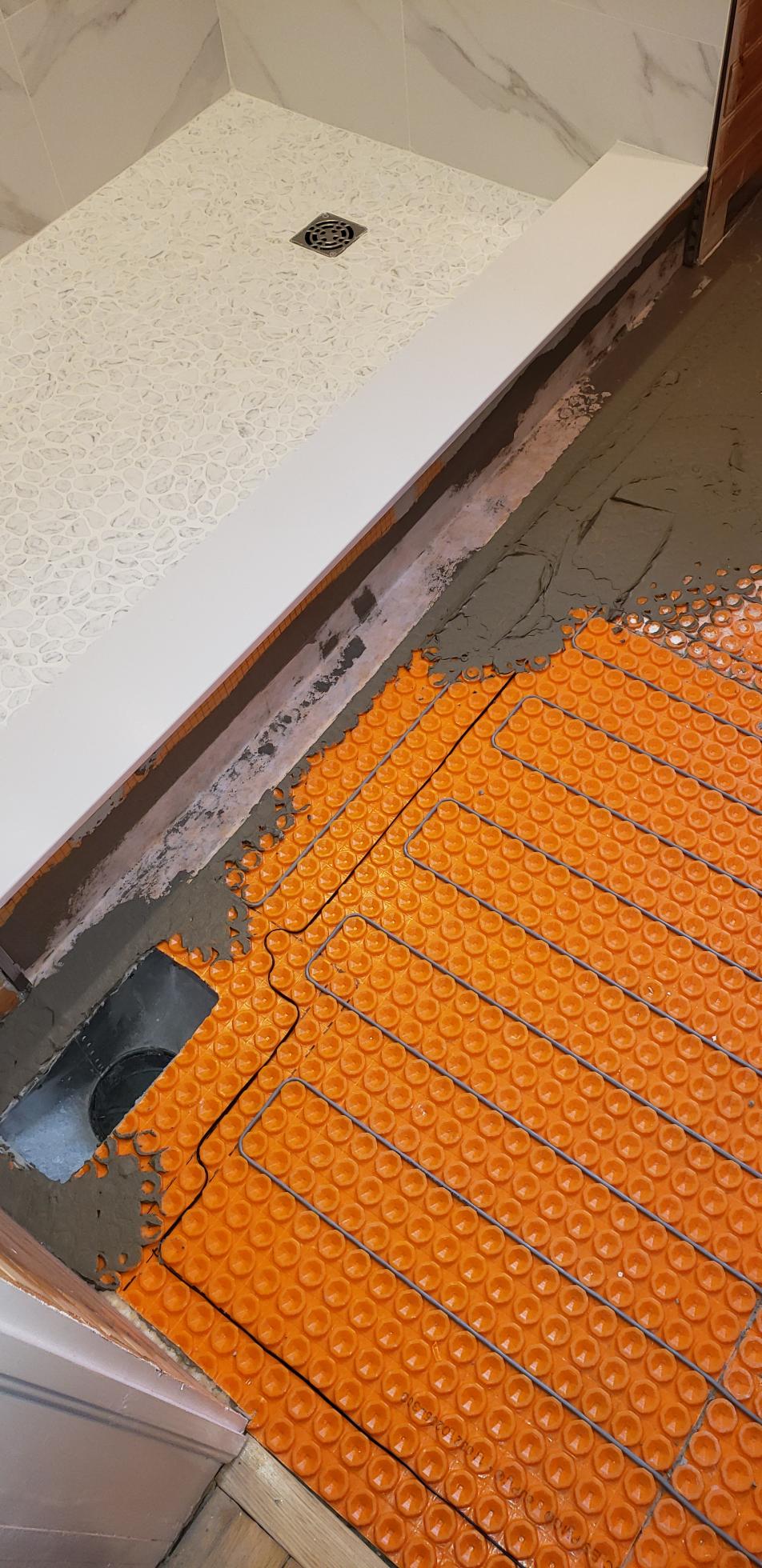
Ditra-Heat is an electric in-floor warming system made for tile and stone. It starts with a thin orange membrane installed over the subfloor. Heating cable is then snapped into the membrane wherever warmth is wanted. Tile is installed directly over top.
Unlike hydronic radiant heat, which uses warm water in pipes, Ditra-Heat uses electric cable. That makes it a great choice for bathrooms, ensuites, laundry rooms, and tiled entries. It is not usually designed to heat an entire house. It is floor warming, taking the chill out of tile and making the room comfortable.
How It Works
The heating cable produces warmth. When the thermostat calls for heat, electricity runs through the cable and warms the tile above it. Tile conducts heat well, so once it warms up, it spreads that heat evenly and holds it for a while.
The membrane has another job. Wood-framed floors naturally move a little with changes in humidity, temperature, and loading. The Ditra-Heat membrane helps uncouple the tile from small movements in the subfloor and reduces the risk of cracked tile and grout. So the system does two useful things: it warms the floor and supports a better tile installation.
How It Is Installed
A good installation starts with the subfloor. The floor must be clean, solid, flat, and properly fastened. Any bounce, loose sheathing, or uneven areas should be fixed before tile begins.
The membrane is installed with thinset mortar. Once embedded, the heating cable is laid into the raised studs of the mat. The layout is customized, so heat is placed where people stand and walk. In a bathroom, that might mean in front of the vanity, toilet, shower, and tub. Cable is not usually installed under cabinets, vanities, or fixtures.
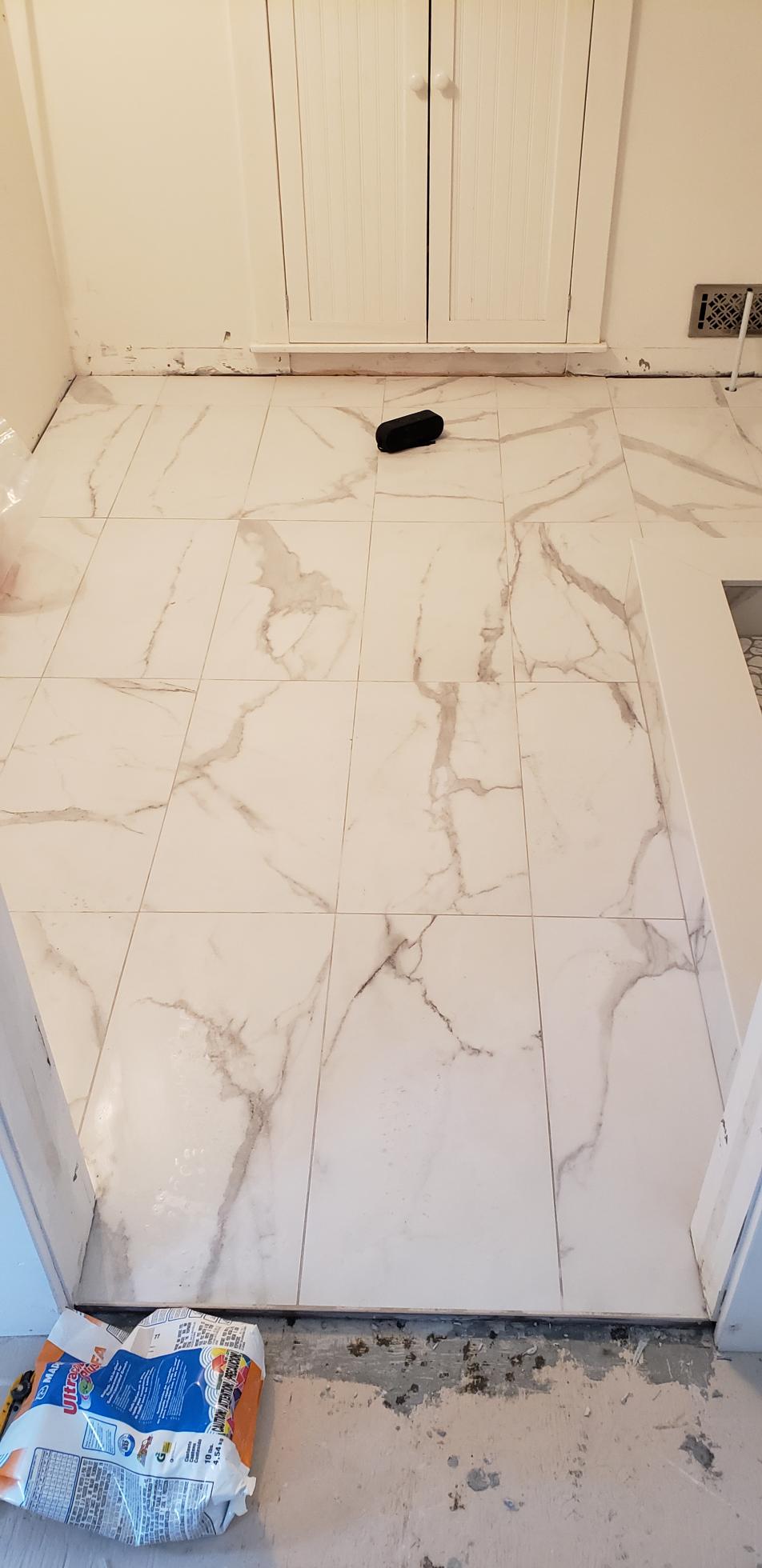
Planning matters because the heating cable cannot be cut shorter. The cable length, heated area, and room layout all need to work together before installation starts. After the cable is installed and tested, tile is set over the membrane with thinset mortar.
Thermostat and Controls
The thermostat controls the system. Schluter offers programmable and smart thermostat options, depending on how much control the homeowner wants. A floor sensor is installed in the tile assembly and connected to the thermostat. This sensor reads the floor temperature, not just room air.
That matters because the goal is warm tile. You can schedule the floor to warm up before morning showers, evening baths, or the times the room is used most.
Wiring and Electrical Requirements
Ditra-Heat needs a proper electrical connection, and this work should always be handled by a licensed electrician. The circuit size depends on the heated area and cable. Smaller bathrooms may only need a modest electrical load, while larger tiled spaces need more capacity.
In Ontario, electrical work must meet ESA requirements, so this is not a place to guess. The electrician confirms voltage, amperage, thermostat location, and circuit requirements. The cable is tested during installation to confirm it has not been damaged before the tile is finished.
Why Homeowners Like It
The biggest benefit is comfort. Stepping onto warm tile on a cold January morning makes a bathroom feel more finished and enjoyable. It can also help floors dry faster in wet areas like bathrooms, entries, and laundry rooms.
Schluter Ditra-Heat is a small detail that makes a daily difference. Installed properly, it adds comfort, durability, and a little luxury to a practical tile floor.

June 8th, 2026