Tile in the Home
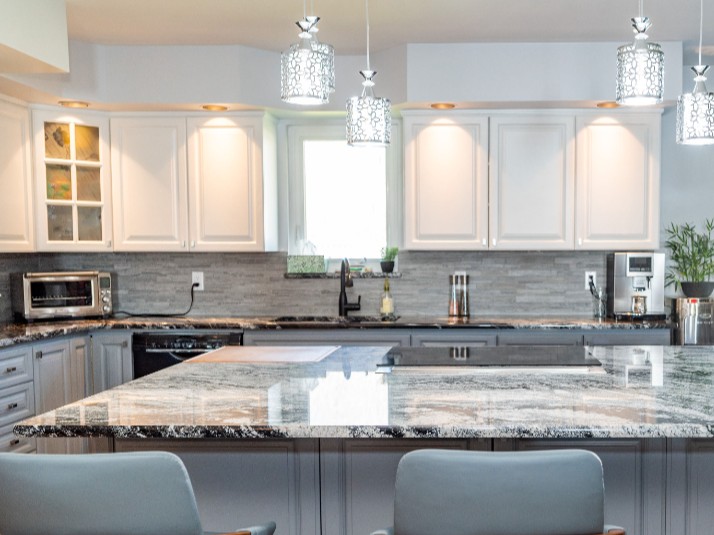
Tile is a popular choice for kitchens, bathrooms, and entryways because it combines durability, practicality, and visual appeal. While there are many styles and finishes available, what most homeowners care about is how tile is installed, how it holds up to everyday use, and how it contributes to the finished look of a space. Keep on reading for a quick primer on tile installation.
Getting the Surface Ready
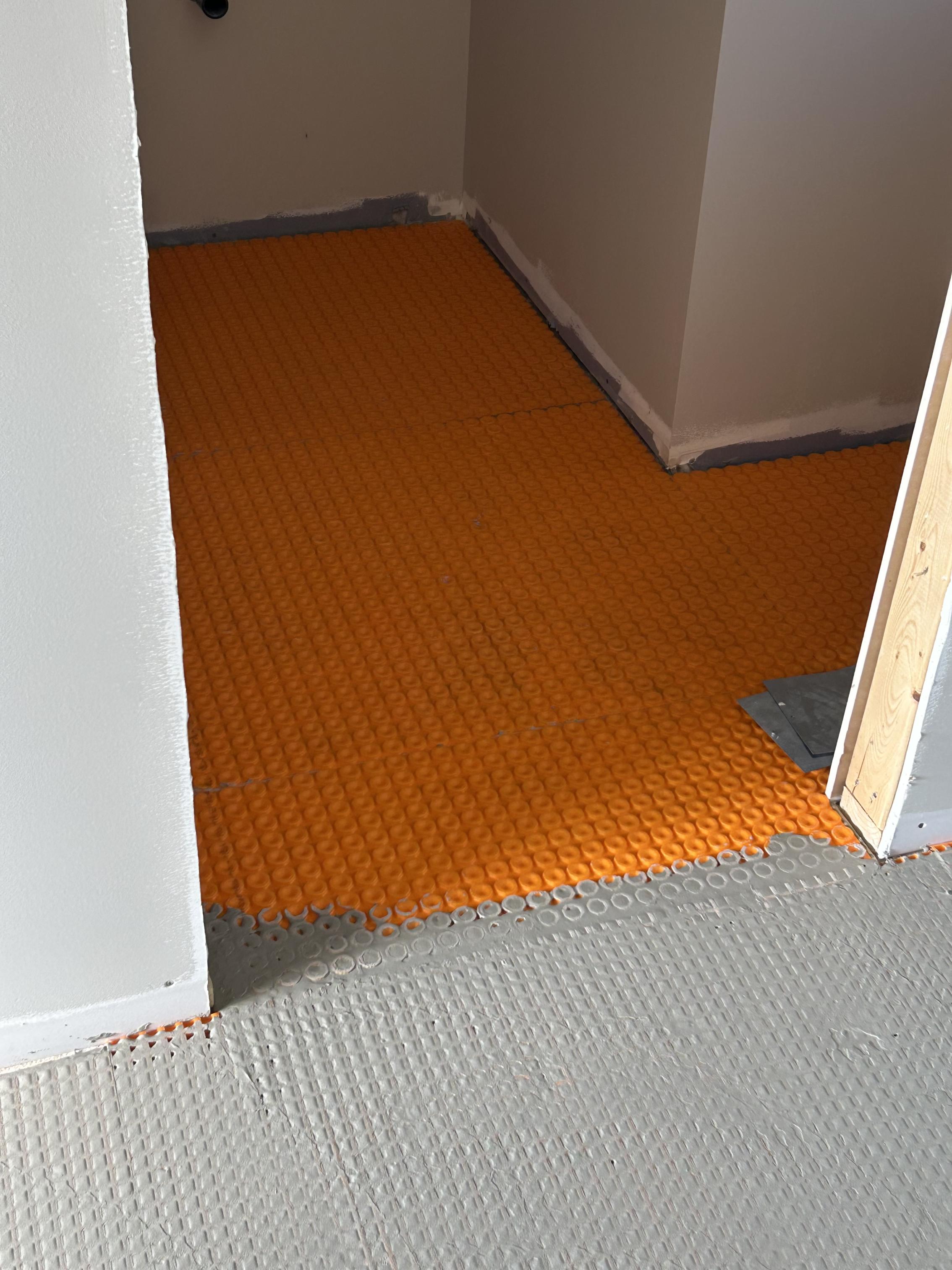
A successful tile installation always starts with proper preparation. Tile requires a solid, flat surface underneath to perform well over time. In most homes, this means installing on the correct surface underlayment for each tile application, whether that is a mudroom floor or a kitchen backsplash.
This step is critical. The underlayment provides stability and prevents movement, which is one of the most common causes of cracked tile or failing grout. Skipping or rushing this stage often leads to problems later on. No matter the tile style or size, a well-prepared surface is the foundation of a durable installation.
How Mortar Holds Everything Together
Once the surface is ready, tile is set into mortar, often called thinset. Mortar acts as the bonding agent that secures the tile to the surface below. It is applied using a notched trowel, which creates ridges that allow the tile to be pressed down evenly and fully supported.
When mixed and applied correctly, mortar fills the space beneath the tile and creates long-term strength. When it is not, tiles can loosen, sound hollow, or fail prematurely. Using the correct mortar and proper installation techniques is one of the most important factors in how well tile performs over time.
Installation Details That Matter
Precision during installation has a direct impact on how the finished surface looks and performs. Clean cuts, consistent spacing, and a thoughtful layout all contribute to a polished result. While many of these details are not obvious to homeowners once the job is complete, they play a major role in ensuring the tile looks balanced and intentional throughout the space.
Spacing, Grout, and the Finished Look
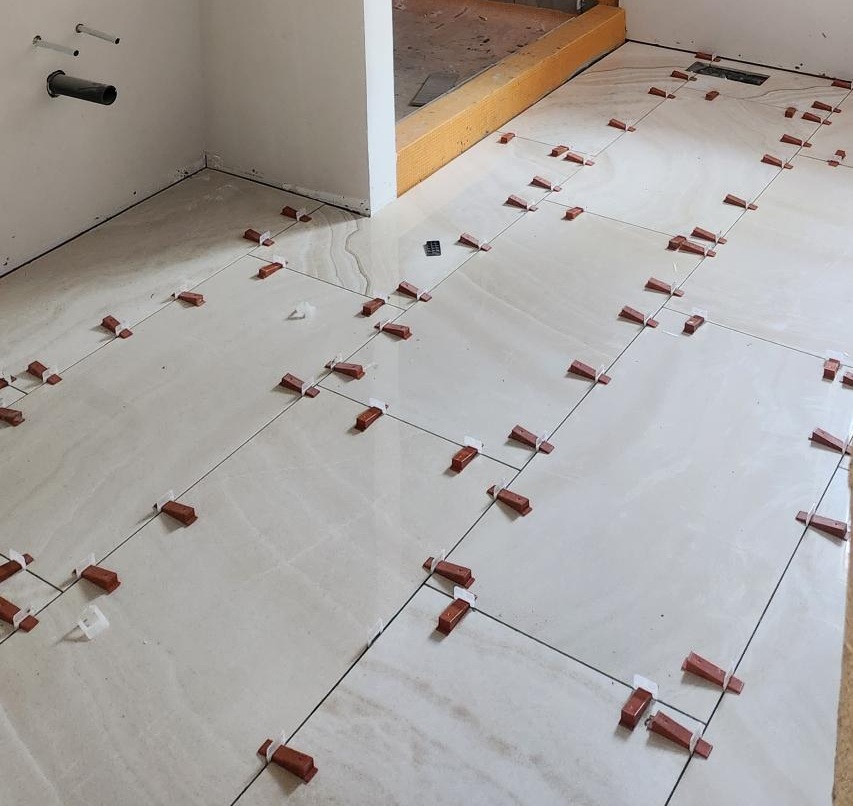
Tile spacers are used to create even gaps between tiles during installation. These joints are intentional and necessary. After the tile has set, grout is applied to fill these spaces. Grout locks the tiles together, helps absorb minor movement, and prevents debris and moisture from working their way beneath the surface.
Grout also plays a significant role in the overall appearance of the tile. Lighter grout creates a softer, more uniform look, while darker grout emphasizes pattern and layout. In wet areas such as showers, grout is often sealed to reduce moisture absorption and staining. With proper care, grout helps tile surfaces remain clean, durable, and visually appealing for years.
Why Tile Works So Well
Tile is chosen for its practical benefits. It is easy to clean, resistant to moisture, and holds up well to daily wear. In kitchens and bathrooms, tile handles spills and humidity with ease. In entryways and mudrooms, it stands up to dirt, snow, and heavy foot traffic. These qualities it a reliable choice throughout the home.
The Quality Homes & Renovations Approach
At Quality Homes & Renovations, we focus on doing the fundamentals right. A well-installed tile floor or wall—supported by proper preparation, quality mortar, and correctly applied grout—will perform beautifully and stand up to everyday living. When each step is handled with care, the result is a finished surface that looks clean, functions well, and lasts for the long term.

May 11th, 2026