
Foundation Types for a Basement
Everything needs to start on a strong foundation, especially your new home or addition. Without the right foundation, you may experience problems like uneven floors, binding doors, water damage, or large cracks. Let’s explore the different types of foundations used for basements and crawlspaces, along with their benefits.
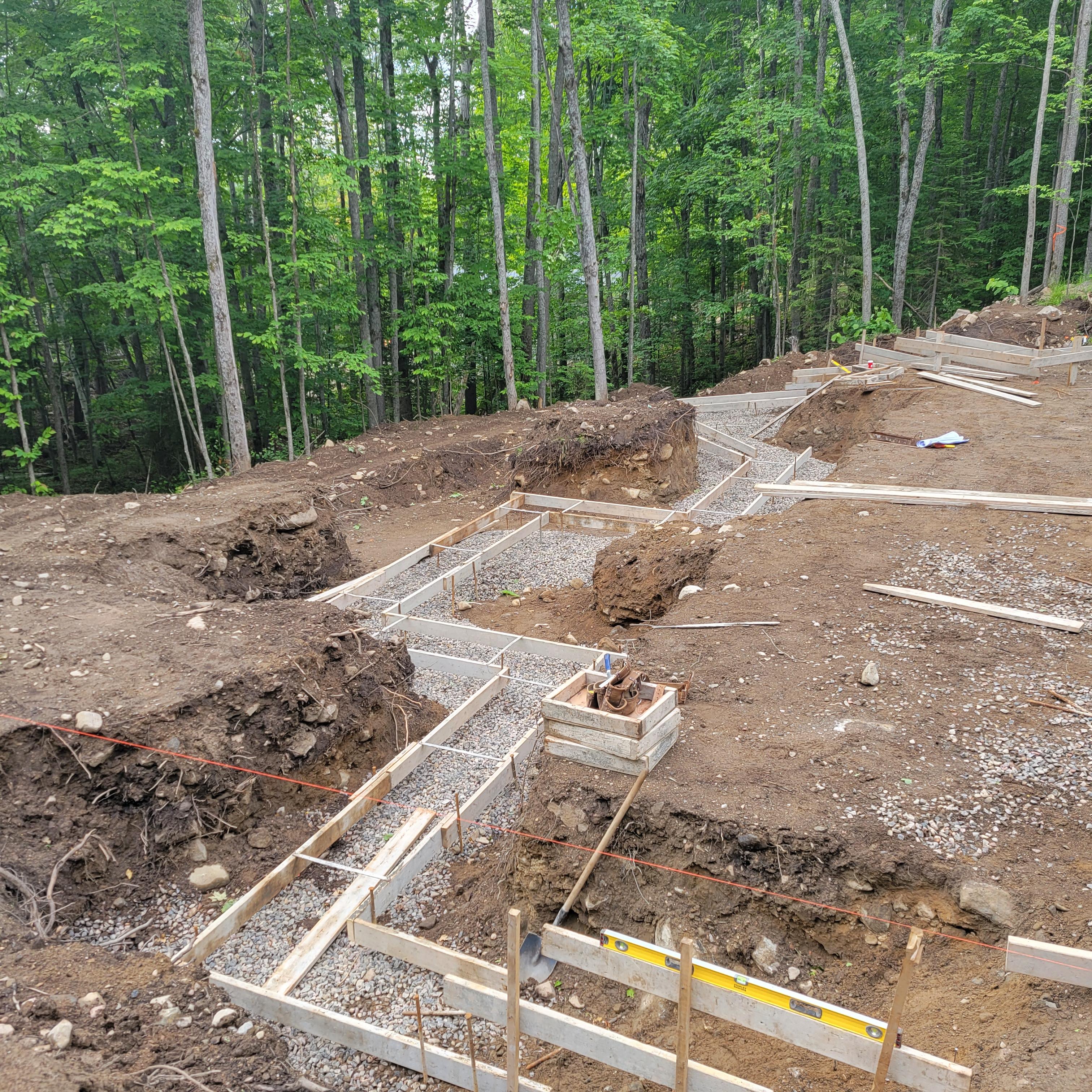
Footings: The Starting Point of Any Foundation
Before laying a foundation, footings are placed to provide structural support. These footings, typically made of rebar-reinforced concrete, are 8” to 12” thick and 16” to 24” wide. In Eastern Ontario, footings must be placed below the frost line (at least 48” deep) to prevent movement during the winter months. If the excavation can’t reach that depth, insulation may be used to protect the footing.
Types of Foundation Walls
Once footings are in place, the foundation walls are built. There are three primary types of foundation wall constructions: concrete block, poured concrete, and insulated concrete forms (ICF). Let’s take a look at when and why each type is used.
Concrete Block Foundations
Concrete block foundations were once the standard in many areas, including Renfrew County. While no longer commonly used for new homes, concrete block foundations are ideal for additions to homes with existing concrete block foundations.
Advantages of Concrete Block Foundations:
- Cost-effective: Concrete block is generally cheaper compared to other methods.
- Ideal for hard-to-reach areas: Blocks, sand, and mortar can be transported to limited-access job sites without needing large equipment.
- Easier to match with existing structures: Perfect for blending new additions with older homes built with concrete block foundations.
- Easily scaled to different size projects: It works just as well for small projects and for large ones.

During construction, rebar dowels connect the new foundation to the existing. Rebar dowels inserted in the footing tie the block and footing together and provide vertical reinforcement to the wall. 'Block Lock' steel webbing reinforcement is installed in the mortar joint between every other row of block for horizontal reinforcement. A coat of parging is applied below grade for added protection, followed by waterproofing.
Poured Concrete Foundations
Poured concrete walls are made by pouring concrete into specialized formwork, which is then removed once the concrete sets.
Advantages of Poured Concrete Foundations:
- Speed: A well-organized crew can set up, pour, and remove the forms within just a few days, depending on the complexity.
- Durability: Poured concrete walls are strong and long-lasting.
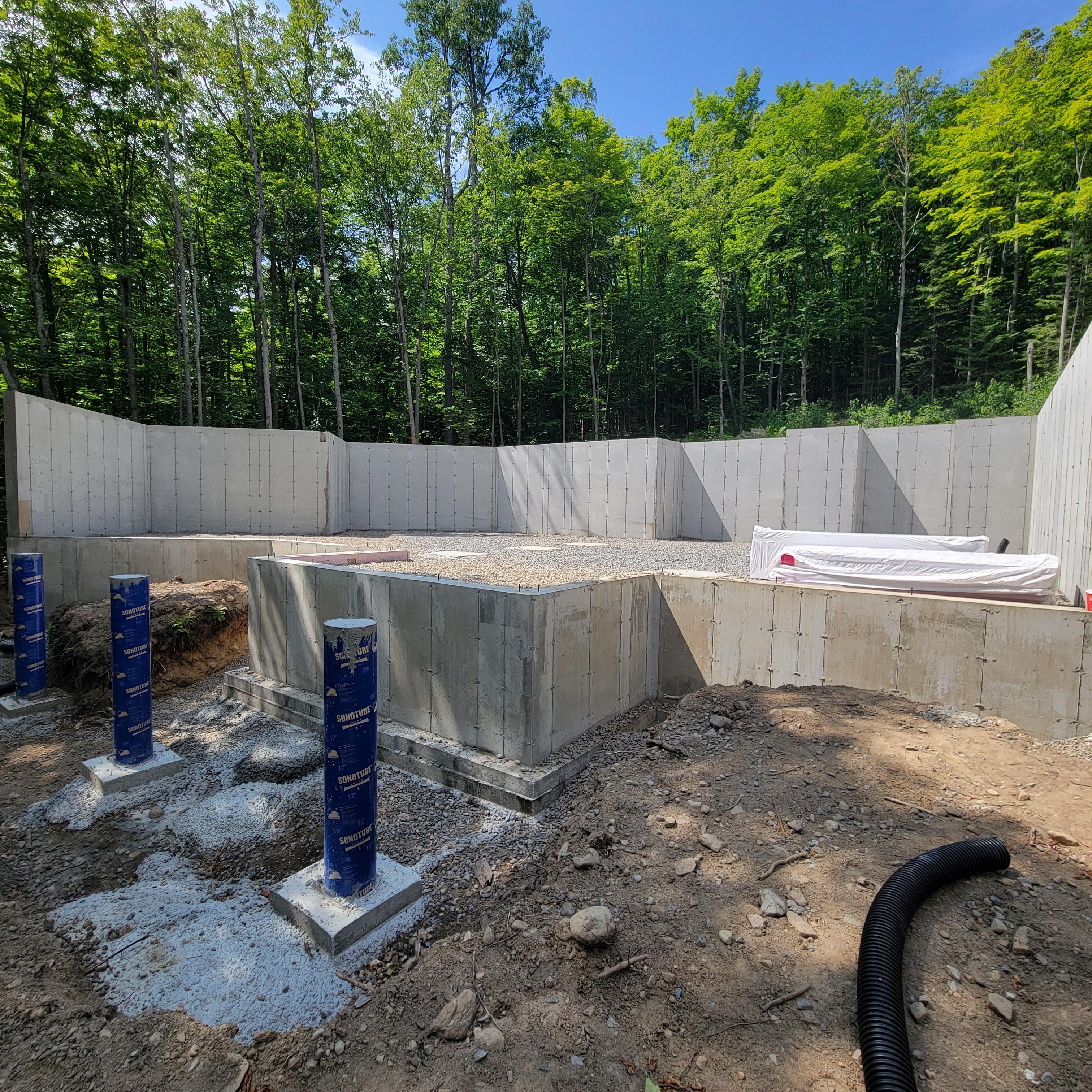
However, the process requires significant equipment, such as a boom truck to handle the formwork and a pumper truck to place the concrete. Not all contractors have the equipment and tools to construct a poured concrete foundation.
Insulated Concrete Forms (ICF)
Insulated concrete forms (ICF) are an energy-efficient option, combining the formwork and insulation into a single system. The formwork consists of two layers of foam connected with plastic webbing. Rebar reinforcement is installed between the foam on the webbing, and the concrete is poured into the space between the foam blocks.
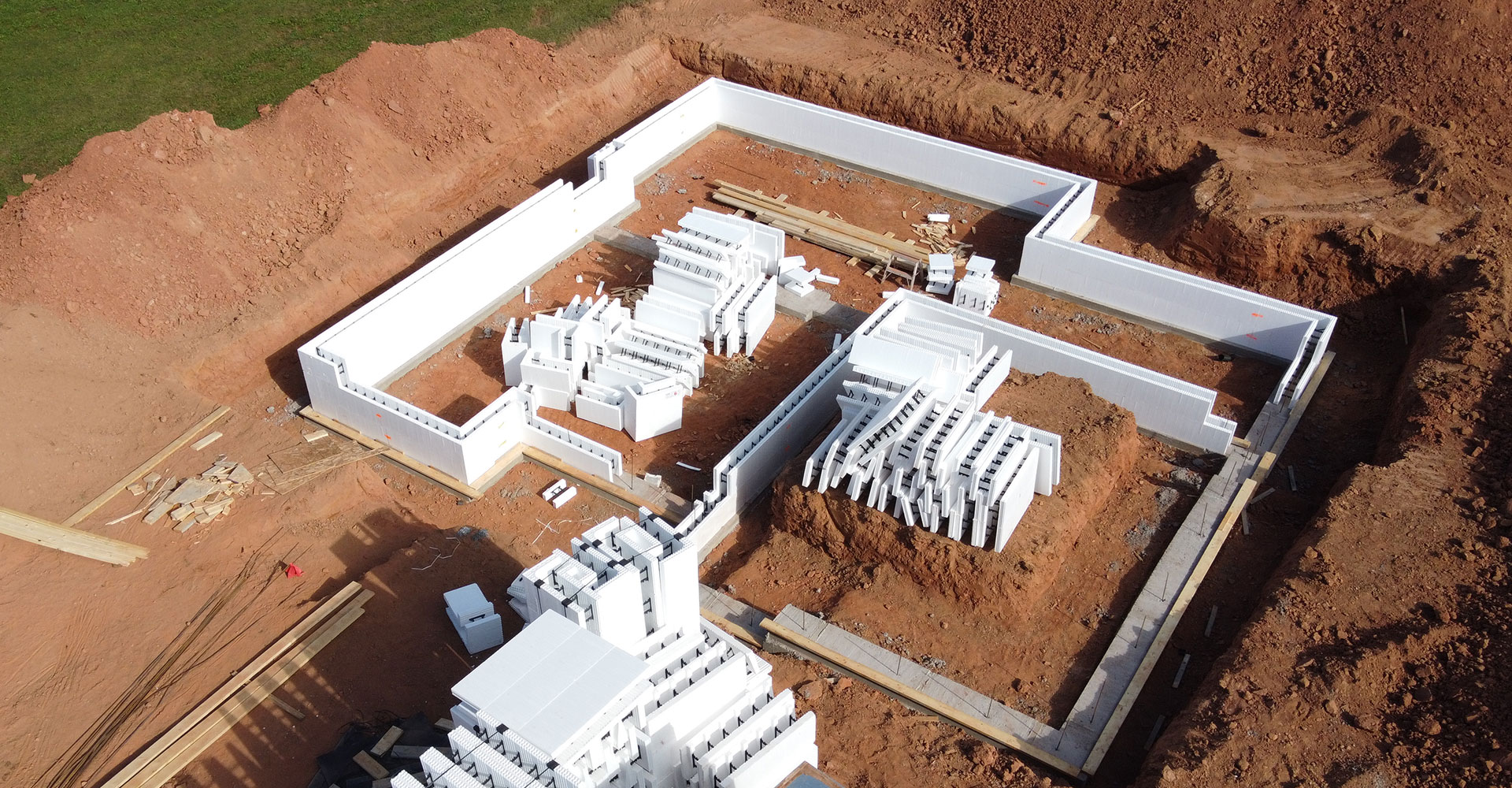
Advantages of ICF Foundations:
- Energy efficiency: ICF walls provide high insulation value and minimal air infiltration, making them energy-efficient.
- Strength and fire resistance: ICF walls are exceptionally strong and fire-resistant.
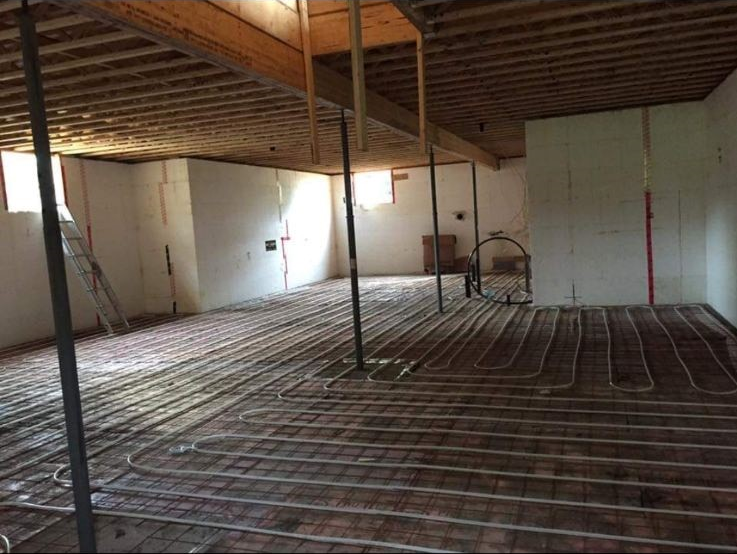
- Ready for finishing: The interior of ICF walls is already insulated and ready for finishing.
With these benefits, ICF can be more expensive upfront, and not all builders are familiar with the system. It also requires good site access, since a concrete pumper truck is required to place the concrete.
Key Takeaways:
- Concrete block foundations are ideal for matching older homes or building in tight spaces, and they offer a cost-effective option.
- Poured concrete foundations are fast and durable, but require specialized equipment and good site access.
- ICF foundations offer excellent insulation, energy efficiency, and strength, but come with higher upfront costs and require good site access.
When building your home or adding an extension, it’s essential to choose the right foundation based on your specific needs, budget, and project requirements.

October 28th, 2024
