Batt Insulation: How It’s Made and How it Works
Insulation plays a critical role in keeping your home comfortable year-round—and reducing your heating and cooling bills. Two of the most common types used in walls are fiberglass and rock wool batt insulation. While both come in familiar pre-cut batts, they’re made from very different materials and have slightly different properties.
Let’s break down how each type is manufactured, and more importantly, how they help retain heat inside your home.
What Is Batt Insulation?
Batt insulation refers to pre-formed sheets of insulating material designed to fit between studs, joists, or rafters in your home’s framing. Both fiberglass and rock wool are widely used batt materials in residential and commercial construction.
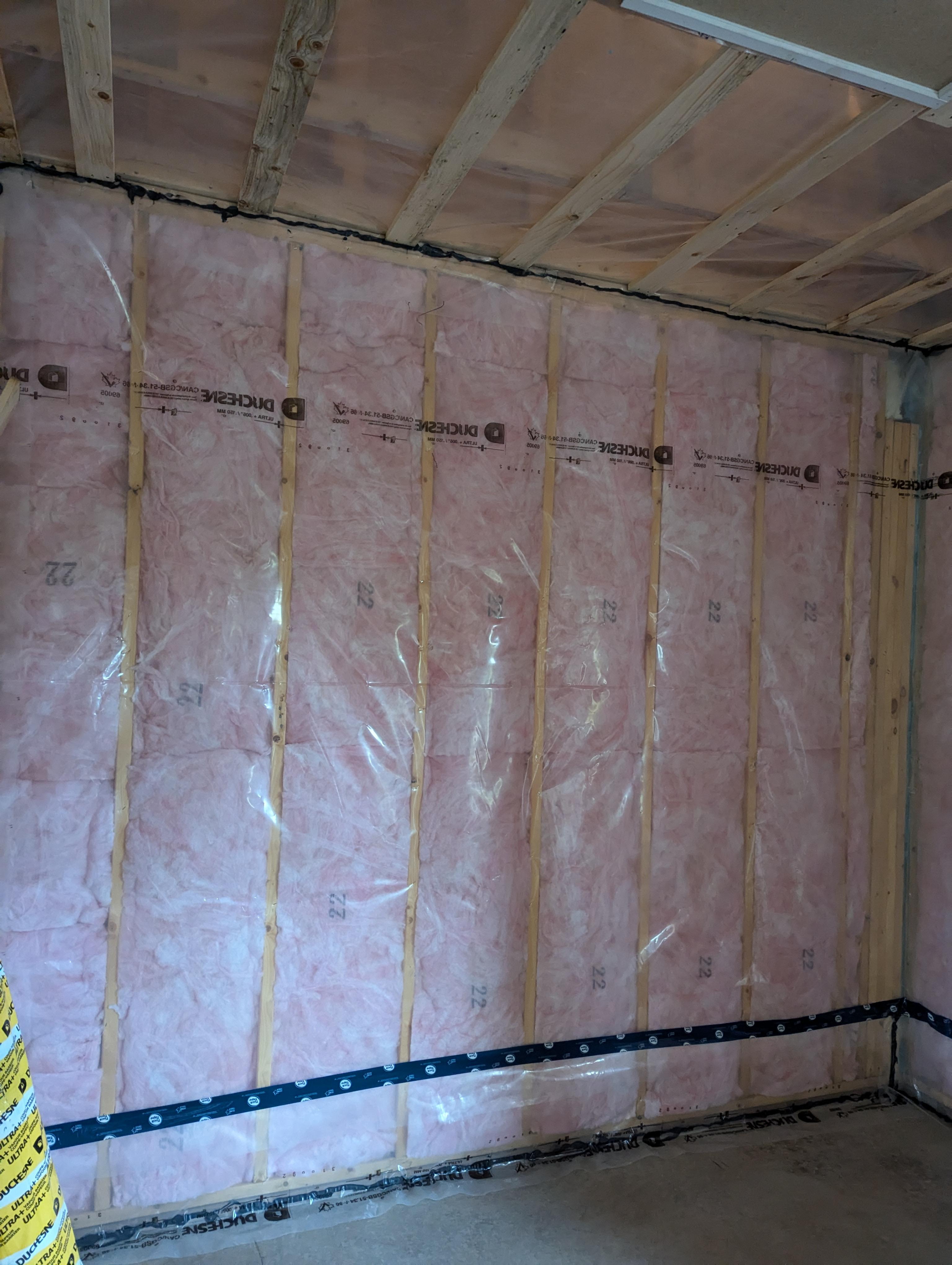
How Fiberglass Batt Insulation Is Made
Fiberglass insulation is made from tiny strands of glass, which explains its name. Here’s a simplified overview of the manufacturing process:
- Melting the Raw Materials
The primary ingredients—sand, recycled glass (cullet), soda ash, and limestone—are melted in a furnace at around 1,400°C (2,552°F). - Forming the Fibers
The molten glass is spun or blown through extremely fine nozzles to form long, thin strands—like cotton candy made from glass. - Binding and Shaping
These fibers are coated with a binder (often a plant-based or resin binder) that helps hold them together. The material is then layered into thick mats. - Curing and Cutting
The mats are heated to cure the binder, then cut into standard sizes—called batts—that fit between standard wall studs (typically 16" or 24" on center).
How Rock Wool (Mineral Wool) Batt Insulation Is Made
Rock wool, also known as mineral wool, is made from natural basalt rock and industrial slag (a recycled steel-making byproduct). The process looks like this:
- Melting the Rock and Slag
The materials are melted in a furnace at temperatures over 1,600°C (2,912°F)—hotter than fiberglass. - Fiberizing the Material
The molten mixture is spun at high speed to create fine, wool-like fibers. - Binding and Water Repellency
Like fiberglass, the fibers are coated with a binder—but rock wool also gets a water-repellent additive, making it naturally moisture-resistant. - Forming Batts
The fibers are gathered into dense mats, cured, cut into batts, and packaged.
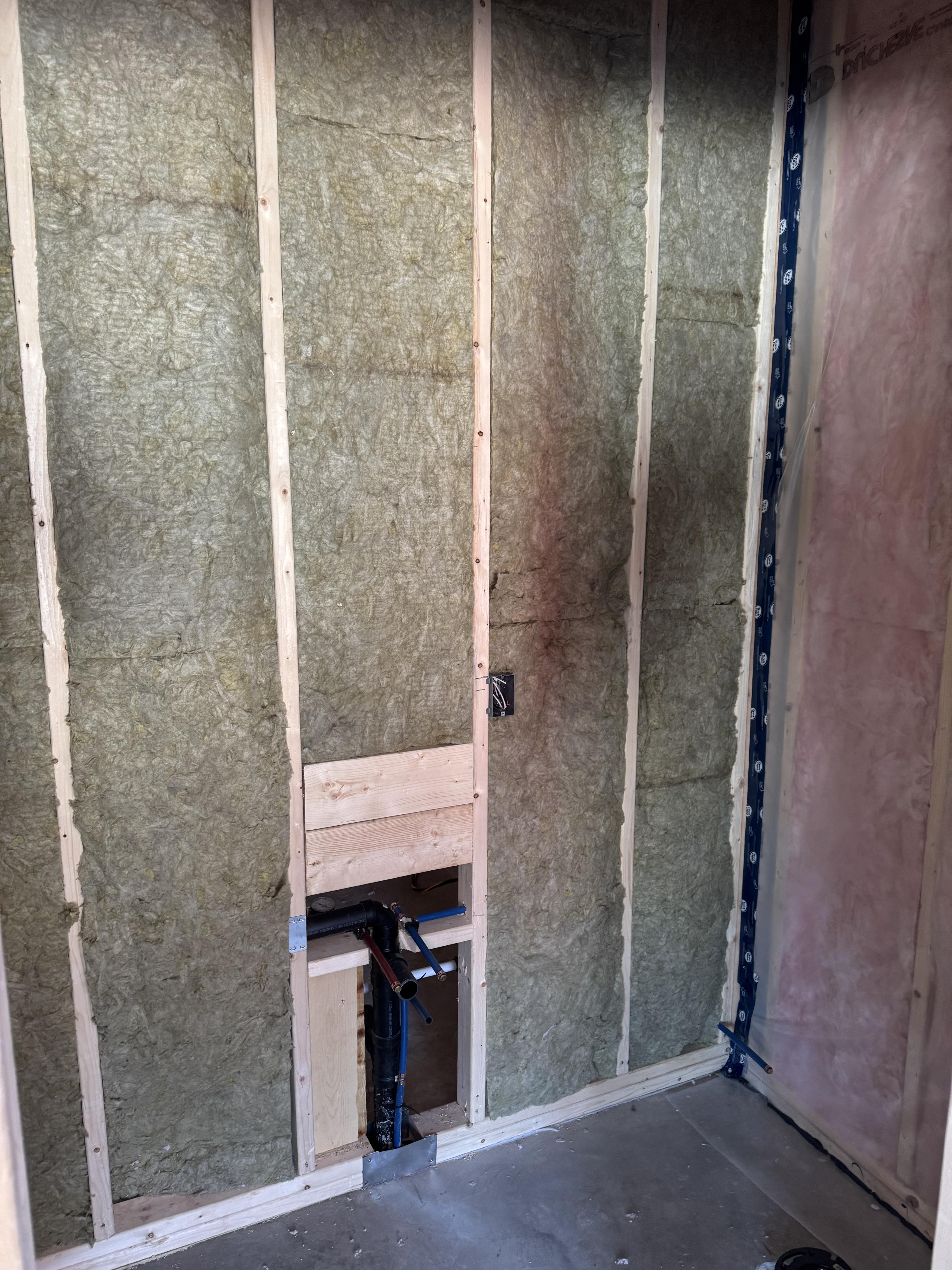
How These Materials Retain Heat
Both fiberglass and rock wool insulate your home by slowing the movement of heat, primarily through:
1. Trapping Air
Both materials are full of tiny pockets of air between their fibers. Air is a poor conductor of heat, so trapping it slows down the transfer of warmth. Think of it like a giant blanket that holds still air in place.
- Fiberglass: Has a fluffy, lightweight texture that traps a lot of air.
- Rock wool: Denser and better at resisting airflow, which can give it slightly higher insulating performance per inch.
2. Resisting Conductive Heat Flow
Heat travels from warm to cold areas through conduction (direct contact). Insulation batts create a thermal break between the warm interior of your home and the cold exterior walls, preventing your furnace’s heat from escaping.
3. Reducing Convection and Radiation
While most batt insulation works by preventing conduction, it also reduces heat transfer by convection (air movement) and radiation (heat traveling in waves). The denser the material, the better it resists these other forms of heat loss.
Key Differences Between Fiberglass and Rock Wool
|
Feature |
Fiberglass |
Rock Wool |
|
Material |
Spun glass fibers |
Spun volcanic rock and slag |
|
R-value/inch |
~R-3.2 to R-3.8 |
~R-3.7 to R-4.3 |
|
Moisture Resistance |
Can absorb moisture |
Naturally water-repellent |
|
Sound Absorption |
Good |
Excellent |
|
Fire Resistance |
Non-combustible, but lower melting point |
Non-combustible, withstands higher temps |
|
Cost |
Lower |
Slightly higher |
Which Should You Choose?
- Fiberglass is our preferred choice in above grade exterior walls.
- We will use rock wool for soundproofing and below grade exterior walls.
Final Thoughts
Insulation is one of the smartest investments you can make in your home’s comfort and efficiency. Whether you go with fiberglass or rock wool, both options work by trapping air, slowing heat loss, and cutting energy bills. At Quality Homes & Renovations, we select the right insulation based on your needs - especially important in the cold winters of Barry’s Bay, Golden Lake, or Round Lake.
Have questions about insulation for your new build or renovation? Get in touch with our team. We’ll help you create a home that stays warm in winter, cool in summer, and energy-efficient all year long.

July 28th, 2025